


Finding Rhythm in Retirement

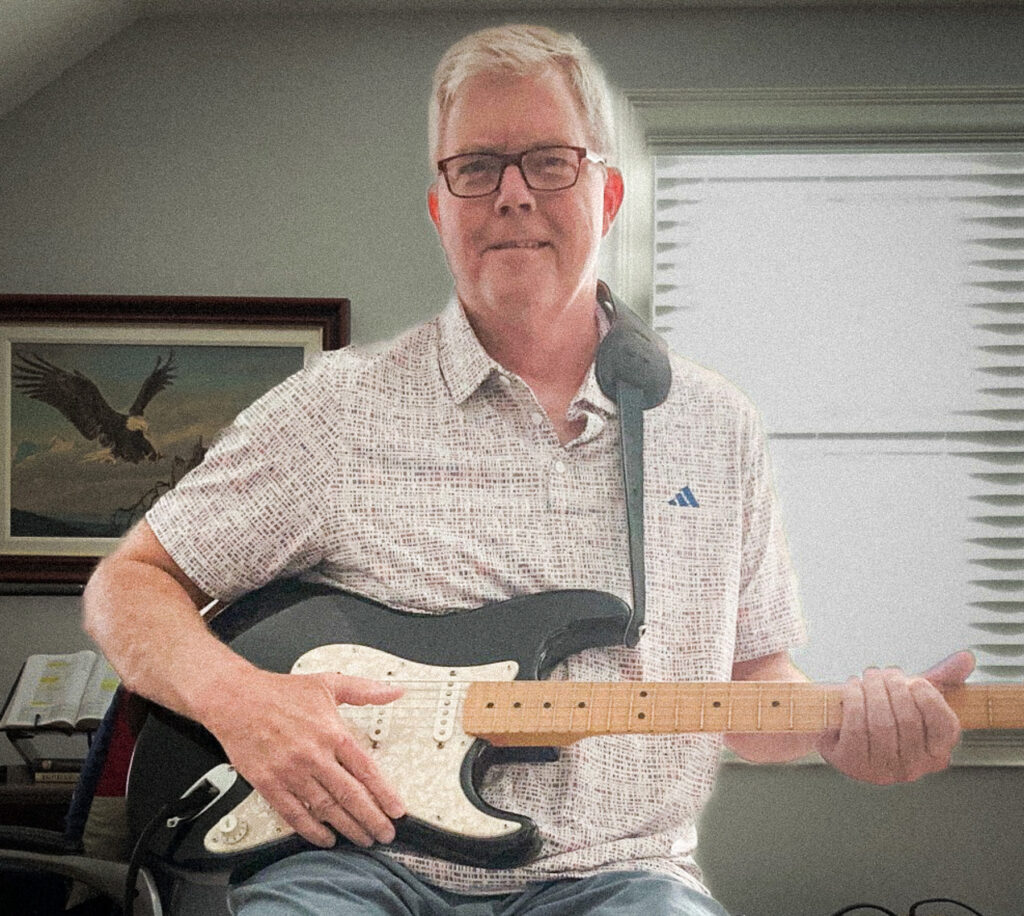
How one small win turned post-career silence into six-string purpose.
By Marcus Laughlin
Have you ever picked up your guitar and wondered if it will ever feel like music, not homework?
Today’s Guitar Story starts right there.
After a long career and a few false starts, one small, unexpected win—a simple blues groove that actually sounded like something—flipped a switch for Marcus.
Everything changed after that.
As you read, try to imagine what could be unlocked for you if you found something that flipped your switch in this same way.
This story reminds me that no matter how far into life we are, there’s always the possibility that there’s an unlock waiting to happen for each one of us.
—Tony

The silence, after 42 years, was deafening.
Not the quiet of a peaceful morning, but the hollow echo of a career that had demanded every ounce of my focus—now abruptly gone.
After decades in the healthcare industry, retirement arrived not with a gentle hum, but a jarring halt.
I was a lifelong learner, always eager to dive into new depths… but what could fill a void carved by a lifetime of purpose?
Then my gaze fell on the dusty guitar case in the corner of my study. It had been there for years, a silent testament to a deferred dream.
Growing up in Memphis, the air was thick with the blues. B.B. King’s “The Thrill Is Gone” wasn’t just a song; it was the soundtrack to my childhood.
I’d always yearned to make a guitar sing like that—to bend a note and feel the raw emotion pour out. More than anything, I wanted to play lead blues guitar.
Over the years, I tried. I’d invest in lessons, only to find myself across a music stand from a virtuoso who could shred like a god but couldn’t explain the why or how in a way my beginner’s mind could grasp.
Phenomenal players, terrible teachers. My fingers tangled, my brain ached, and frustration built until the guitar went back in its case—another failed attempt. The thrill was gone before it began.
Retirement presented a choice: let the dream die quietly, or give it one last, honest shot.
The thought of repeating that cycle made my stomach clench, but the desire to coax a soulful note from six strings was stronger.
This time, my criteria were clear: I needed a teacher, not just a player.
I’d seen Tony’s ads before and usually scrolled past. But something about his non-flashy approach caught me, and I watched his 30-minute intro.
It outlined a different philosophy—focused on enjoying playing guitar, not just practicing it. That resonated. Playing was what I wanted, so I jumped in.
In week one, I learned a blues boogie. It was a revelation.
My fingers—more used to typing reports than navigating frets—were making progress. I found myself not only enjoying the guitar, but genuinely looking forward to what I’d learn next.
Music—especially playing—takes me to a place of relaxation, and nailing a new lick or song brings overwhelming joy.
These early days still have their challenges. My fingertips complain, and that old whisper shows up: “You’re too old for this.” But then I notice: I’m learning.
It isn’t just about playing a song; it’s about expressing something that’s been dormant for too long.
The guitar began to fill the silence of retirement not with noise, but with purpose. Each session became a meditation, a conversation with myself.
The frustrations of a long career, anxieties about the future, lingering regrets—they all found a cathartic release in the blues.
A wrong note wasn’t a failure; it was a lesson. Landing a phrase felt like a small triumph, proof of perseverance.
Learning to play has become more than a hobby; it’s a quiet journey of self-discovery and healing.
This time is teaching me patience in a way my fast-paced career never could. It’s teaching resilience—the beauty of slow, steady progress.
It’s deepened my connection to the music that’s always been part of my soul and let me participate in it, not just listen.
Now, when I pick up my guitar, the thrill is far from gone. It’s just beginning.
My fingers still stumble, and I’m light-years from B.B. King, but every bent note and improvised phrase is a testament to a dream finally lived, a life enriched, and a new chapter filled with the sweet, soulful sound of the blues.
The silence of retirement isn’t deafening anymore; it’s the perfect backdrop for my own, imperfect, deeply satisfying six-string redemption.
The image of a simple blues groove turning practice from “homework” into music really captures how motivation can arrive unexpectedly. It’s encouraging to see retirement framed not as slowing down, but as making room for the small wins that reignite curiosity.
The moment when a simple blues groove finally sounded like music instead of homework really captures how meaningful small breakthroughs can be. It’s a wonderful reminder that retirement can open the door to a new rhythm, not just a slower schedule.
The moment that simple blues groove stopped feeling like homework really captures how progress can arrive unexpectedly. It’s encouraging to see retirement framed not as slowing down, but as making room for the small discoveries that reignite curiosity.
The image of a simple blues groove turning from “homework” into real music captures how powerful a small breakthrough can be. Retirement seems less about slowing down and more about finding the rhythm that makes you want to keep showing up.
The image of a simple blues groove turning from “homework” into real music captures how meaningful small breakthroughs can be in retirement. It’s a great reminder that finding your rhythm may start with just one unexpected win.
The moment when a simple blues groove finally sounded like music instead of homework really captures how powerful small wins can be in retirement. It’s a great reminder that finding the right rhythm—not mastering everything at once—can unlock a whole new chapter.
The image of a simple blues groove turning from “homework” into real music beautifully captures how motivation can arrive through one small breakthrough. It’s a great reminder that retirement can be less about slowing down and more about finding a rhythm that feels genuinely your own.
The moment when a simple blues groove finally sounded like music instead of homework really captures how retirement can open the door to unexpected breakthroughs. It’s a great reminder that one small win can reignite curiosity and create a whole new rhythm for life.
The shift from guitar feeling like “homework” to finding a simple blues groove is such a relatable picture of rediscovering purpose in retirement. It’s encouraging that one small win can create a rhythm that carries into the rest of life.
The image of a simple blues groove turning from “homework” into real music captures how retirement can open the door to unexpected breakthroughs. It’s a great reminder that finding the right rhythm matters more than getting a perfect start.
The moment when a simple blues groove stopped feeling like homework and started sounding like music really captures how retirement can open the door to unexpected momentum. It’s a great reminder that one small win can change how we approach learning at any stage of life.
The moment that simple blues groove stopped feeling like homework really captures what finding rhythm in retirement can mean. It’s encouraging to see how one small, unexpected win can reignite curiosity after years of false starts.
The idea of a simple blues groove sounding like real music instead of homework is a wonderful picture of finding your rhythm again. It’s encouraging to see retirement framed not as slowing down, but as making room for the small breakthrough that flips a switch.
The moment that simple blues groove stopped feeling like homework really resonated. It’s a great reminder that retirement can open the door to progress and discovery when one small breakthrough brings the music—or any new passion—to life.
The shift from guitar feeling like homework to finally finding a simple blues groove is such a relatable turning point. It’s a great reminder that retirement can open the door to unexpected creative breakthroughs.
The moment that simple blues groove stopped feeling like homework and started sounding like music is a powerful picture of finding purpose after a long career. It’s encouraging to see retirement framed not as an ending, but as the space to discover what finally makes something click.
The shift from treating guitar practice like homework to finding a blues groove that actually felt like music is a powerful retirement lesson. It’s encouraging to see how one small win can reignite curiosity and open up a whole new rhythm in life.
The moment that simple blues groove finally sounded like music instead of homework really captures how a small breakthrough can change everything. It’s encouraging to see retirement framed not as slowing down, but as finding the rhythm that makes learning feel alive.
The shift from guitar feeling like homework to finding a simple blues groove is such a relatable picture of retirement’s possibilities. Sometimes one small win is enough to turn a new pursuit into a rhythm worth following.
The moment that simple blues groove stopped feeling like homework and started sounding like music is such a relatable turning point. It’s a great reminder that retirement can make room for small breakthroughs that reignite curiosity and confidence.
The moment that simple blues groove finally sounded like music instead of homework really captures how progress can arrive later than expected. It’s a great reminder that retirement can create space for small breakthroughs that completely change how we see ourselves.
That moment when a blues groove stops being practice and starts being a conversation is exactly the kind of unexpected win that makes the instrument feel like a friend again. It’s a good reminder that retirement isn’t about closing doors, but finding the one that’s been waiting for you to have time to turn the handle.
That simple blues groove Marcus stumbled on is exactly the kind of small win that makes all the difference—it shifts the focus from “getting it right” to actually feeling the music. It’s a great reminder that in retirement, we get to chase those moments purely for the joy of them, not for any external payoff.
That moment when a simple blues groove stops feeling like practice and starts sounding like *you* is exactly the kind of small win that redefines what retirement can be. It’s not about mastering the instrument—it’s about rediscovering the joy that got buried under a lifetime of shoulds.
That simple blues groove flipping the switch is exactly what I needed to hear—it’s proof that the “homework” phase can end when we stop forcing it and just let one small win carry us forward. Makes me wonder what rusty hobby of mine is waiting for that same moment.
That moment when a simple blues groove stops feeling like practice and starts feeling like conversation is exactly the rhythm shift so many of us chase. It’s a good reminder that the switch doesn’t have to be a masterpiece—just one honest sound that pulls you back to the instrument.
That simple blues groove flipping the switch is exactly what I needed to hear today—it’s amazing how one small win can turn something that feels like homework back into pure play. Thanks for the reminder that it’s never too late to find that rhythm again.
That moment when a blues groove stops being “homework” and starts sounding like music is exactly the kind of small win that redefines what practice means — it’s not about the hours, but about finally hearing yourself play something you’d actually want to listen to.
That moment when a simple blues groove stops feeling like homework and actually sounds like music — that’s the exact switch I remember from my own playing. It’s amazing how one small win can change the whole relationship with the instrument, especially later in life.
Great story
Inspiring story of new beginnings, resilience, patience, learning, growth and music making. Bravo!!! Keep playing your guitar.
Thanks for sharing.
Such an inspiring story. Thank you for sharing, sometimes I need a story like this to
Keep going!!
Great story, parallels my own situation in many ways!